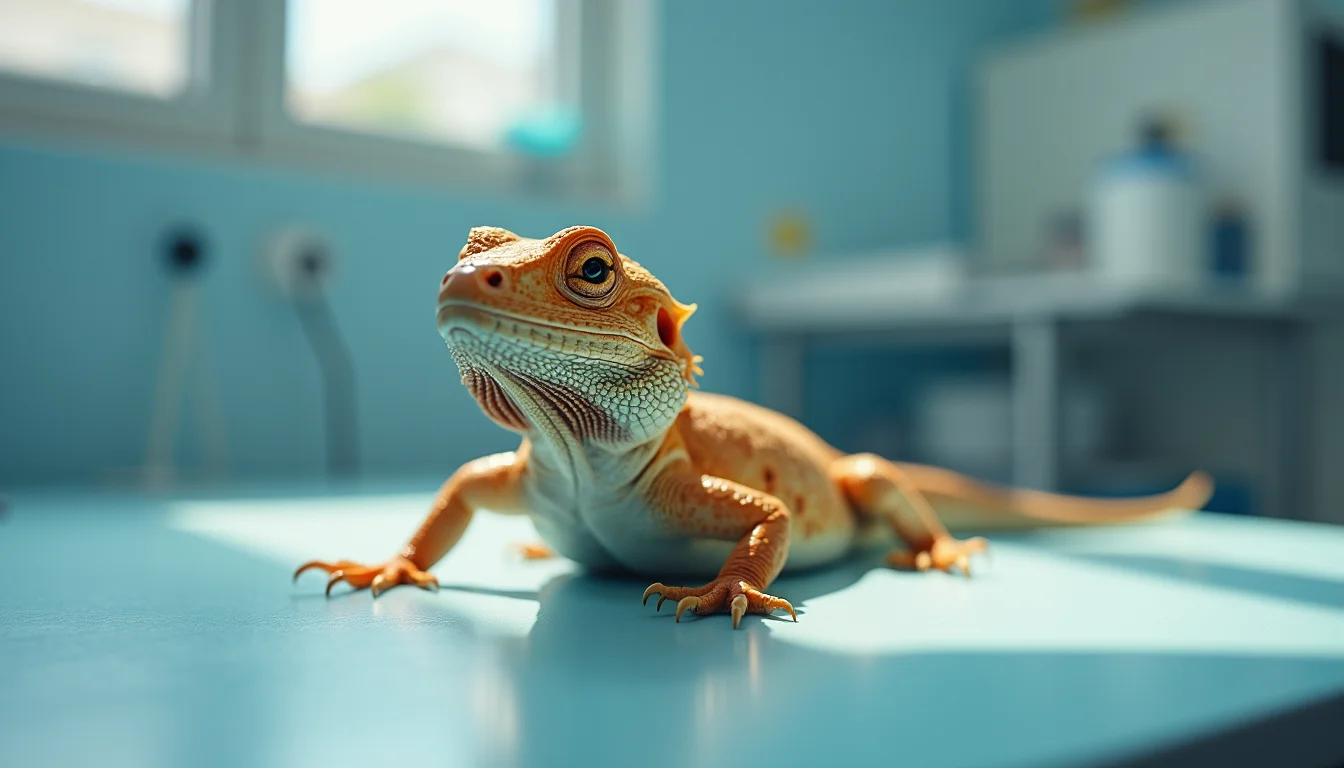
Bearded dragons, leopard geckos, snakes, tortoises, guinea pigs, rats and hamsters are popular pets in California, and they all need veterinary care. They also tend to hide illness until it is advanced. This guide explains what an exotic pet vet does, why husbandry matters so much and which signs mean your pet needs to be seen soon.
What counts as an exotic pet vet?
"Exotic" in veterinary medicine usually means any pet that is not a dog or cat: reptiles and amphibians, birds, rabbits, rodents and other small mammals. Some vets see only exotic pets, while others are general practitioners with extra training and experience. Experience varies a lot between species, so ask specifically about yours.
- Do your vets regularly see my species, for example bearded dragons or guinea pigs?
- Can you run bloodwork, fecal tests and X-rays on small exotic patients?
- Do you have heated hospital space for reptiles?
- Who handles exotic pet emergencies after hours?
The Association of Reptile and Amphibian Veterinarians lists members on its website, and our directory of exotic pet vets in California groups clinics that mention exotic pets on their own websites by city. For birds and rabbits, see the avian vet guide and rabbit vet care guide.
Reptiles: most problems start with the setup
Many illnesses vets see in reptiles come from the enclosure: the wrong temperature gradient, missing or old UVB lighting, low or high humidity, or an unbalanced diet. Metabolic bone disease, where bones become soft and deformed, is a classic example in lizards and turtles kept without proper UVB light and calcium.
Bring photos of the enclosure, the brand and age of the UVB bulb, temperatures at the warm and cool ends, and a list of food and supplements to every visit. A good exotic vet will ask about all of it.
Reptile warning signs
- Not eating for longer than is normal for the species and season.
- Weight loss, sunken eyes or retained shed around toes and tail.
- Swollen jaw or limbs, tremors or difficulty walking.
- Bubbles from the nose, open-mouth breathing or wheezing.
- Straining, a prolapse (tissue coming out of the vent) or being unable to lay eggs.
Find a vet near you
Compare 4,201 California veterinary clinics by rating, hours and emergency care.
Popular:Los AngelesSan DiegoSan FranciscoSan JoseSacramentoBakersfieldFresnoSanta RosaAll cities →
Small mammals: guinea pigs, rats, hamsters and chinchillas
- Guinea pigs cannot make their own vitamin C and need it every day from fresh vegetables or supplements. Like rabbits, their teeth grow constantly, and not eating is always urgent.
- Chinchillas need a cool home, as they overheat easily in California summers, and a high-fiber hay diet. Dental disease and not eating are common reasons for urgent visits.
- Rats and mice are prone to respiratory infections and lumps. Early treatment matters because they have short lives.
- Hamsters hide illness. A wet tail, diarrhea or not eating needs prompt care.
Note that ferrets, gerbils and some other animals kept as pets elsewhere are restricted in California under state wildlife rules, so check before you buy or adopt.
Yearly checkups
A yearly wellness visit, or twice a year for older animals, lets the vet weigh your pet, check teeth, skin and body condition, test for parasites and review the diet and housing. Many problems in exotic pets are much easier and cheaper to fix early.
Frequently asked questions
Is an exotic vet more expensive?
Exams and tests can cost more than for a cat or dog because of specialized equipment and experience. Routine visits for small pets are usually still modest, and treating problems early is cheaper than emergency care.
Can I take my reptile to an emergency hospital?
Some 24-hour hospitals see exotic pets and some do not. Call the emergency vet before you go and ask whether they can treat your species.
How do I transport a reptile safely?
Use a secure, ventilated container. In cool weather keep it warm with a towel-wrapped heat pack, and avoid leaving it in a hot car.
More pet health guides
 Low-cost spay and neuter in California: programs, vouchers and what to expectHow to get a low-cost spay or neuter for your dog or cat in California: nonprofit clinics, county vouchers, state-funded programs, eligibility…
 Cat vaccination schedule: kittens, adults and indoor catsWhich vaccines cats need and when: kitten shots by age, adult boosters, FeLV for kittens, rabies rules in California and what indoor…
 Avian vet guide: when your bird needs a vet and how to find oneHow to find a good avian vet in California, what a bird wellness exam includes, the warning signs that mean your bird…