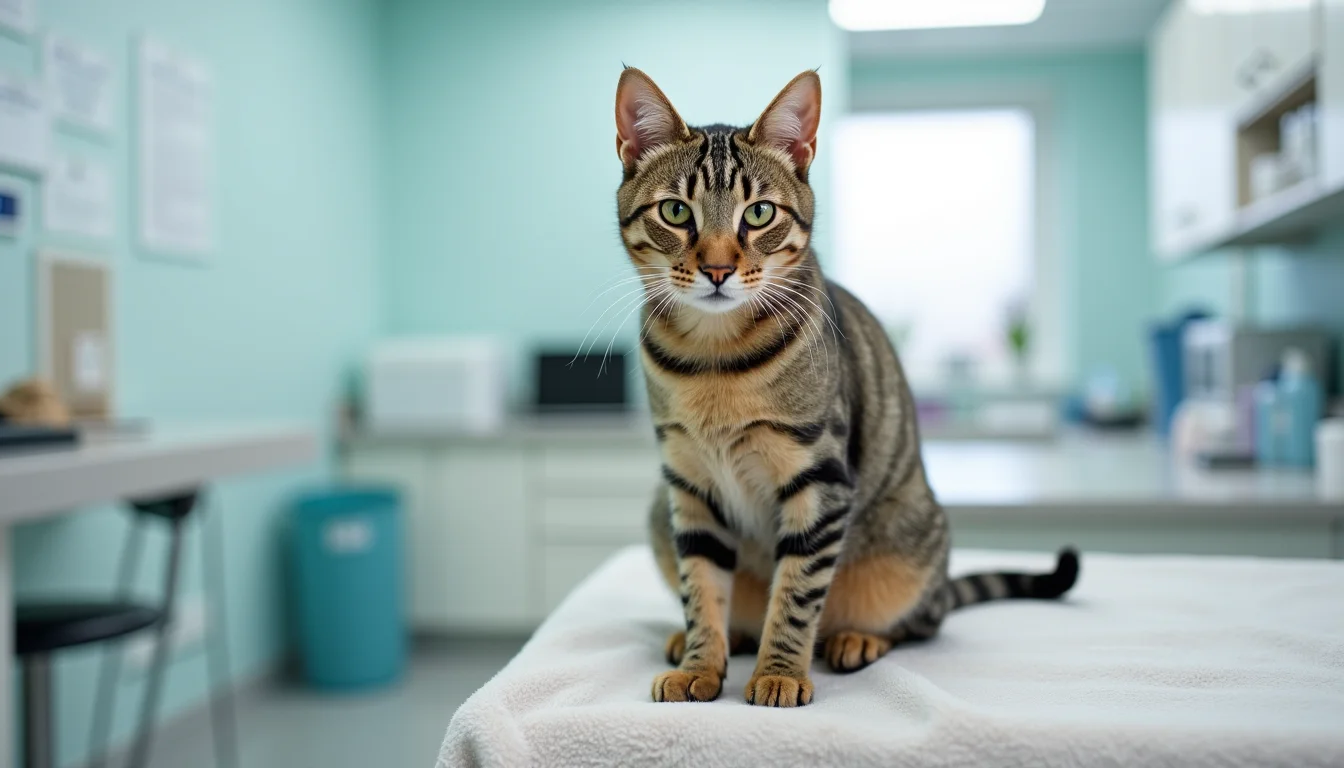
Cats tend to see the vet less often than dogs, which makes their vaccine visits count. This guide follows the 2020 AAHA/AAFP Feline Vaccination Guidelines used by most veterinarians in the United States, adapted to what California owners need to know. Your veterinarian will tailor the plan to your cat's age, health and lifestyle.
Core vaccines every cat should get
- FVRCP protects against feline viral rhinotracheitis (herpesvirus), calicivirus and panleukopenia. These viruses cause severe respiratory disease and, in the case of panleukopenia, often fatal illness in kittens.
- Rabies is recommended for all pet cats because rabies is present in California wildlife, especially bats, and bats do get into homes.
- Feline leukemia (FeLV) is considered core for kittens and cats under one year, because young cats are the most vulnerable and their future lifestyle is hard to predict. After one year it becomes a lifestyle vaccine.
Typical kitten vaccination schedule
| Age | Vaccines |
|---|---|
| 6–8 weeks | FVRCP #1 |
| 9–12 weeks | FVRCP #2, FeLV test, FeLV #1 |
| 12–16 weeks | FVRCP #3, FeLV #2, rabies |
| 16–20 weeks | Final FVRCP if the series started early |
| About 6 months to 1 year later | FVRCP and rabies boosters, FeLV booster if needed |
FVRCP is repeated every three to four weeks until the kitten is at least 16 to 20 weeks old, because antibodies from the mother can block earlier doses. Kittens should be tested for FeLV before the FeLV vaccine.
Adult and senior cats
After the first-year boosters, the guidelines support giving FVRCP about every three years for most adult cats. Rabies boosters follow the label of the vaccine your vet uses, which is one or three years, and any local rules. Adult cats that go outdoors or live with cats of unknown FeLV status may keep getting FeLV boosters. Senior cats stay on the same plan unless your veterinarian advises otherwise.
Do indoor cats need vaccines?
Yes, at least the core ones. Panleukopenia virus survives for a long time in the environment and can come into the house on shoes and clothing. Indoor cats also slip outside, go to boarding, visit groomers or meet a new cat, and bats can get indoors. Indoor-only adult cats may be able to skip FeLV after kittenhood; ask your vet.
Rabies vaccination for cats in California
California's statewide rabies law requires vaccination and licensing for dogs. For cats, state public health guidance recommends rabies vaccination, and a number of cities and counties require it or require cat licensing. Check your local animal services agency, and keep a current rabies certificate for your cat in any case. It makes a big difference if your cat ever bites someone or catches a bat.
Find a vet near you
Compare 4,201 California veterinary clinics by rating, hours and emergency care.
Popular:Los AngelesSan DiegoSan FranciscoSan JoseSacramentoBakersfieldFresnoSanta RosaAll cities →
Side effects and injection sites
Many cats are a little quiet or have a sore spot for a day or two. Call a veterinarian if you see facial swelling, vomiting, difficulty breathing or collapse after a vaccine. A small lump at the injection site is common and usually goes away within a few weeks. Tell your vet about any lump that is still there three months later, is larger than 2 cm or keeps growing, because very rarely an injection-site tumor can develop. For this reason vets give each vaccine in a recorded location, often low on a leg.
Making vet visits easier for your cat
- Leave the carrier out at home with a blanket so it becomes a normal resting place.
- Cover the carrier with a towel in the car and in the waiting room.
- Ask whether the clinic has a cat-only waiting area or cat appointment times. Some owners prefer a cat-only clinic.
Frequently asked questions
How many shots does a kitten need?
Usually three or four FVRCP doses, two FeLV doses after a negative test, and one rabies vaccine, followed by boosters about a year later.
Can an adult cat with no vaccine history start now?
Yes. Adult cats with an unknown history usually get two doses of FVRCP three to four weeks apart and a rabies vaccine, plus FeLV testing and vaccination if their lifestyle calls for it.
Is FeLV vaccination needed for indoor cats?
It is recommended for all kittens. For adult indoor-only cats that do not meet other cats, many veterinarians stop FeLV boosters.
More pet health guides
 Low-cost spay and neuter in California: programs, vouchers and what to expectHow to get a low-cost spay or neuter for your dog or cat in California: nonprofit clinics, county vouchers, state-funded programs, eligibility…
 Avian vet guide: when your bird needs a vet and how to find oneHow to find a good avian vet in California, what a bird wellness exam includes, the warning signs that mean your bird…
 Rattlesnake bites in dogs: what to do and how to prevent them in CaliforniaIf a rattlesnake bites your dog: the symptoms, what to do on the way to the vet, what not to do, how…