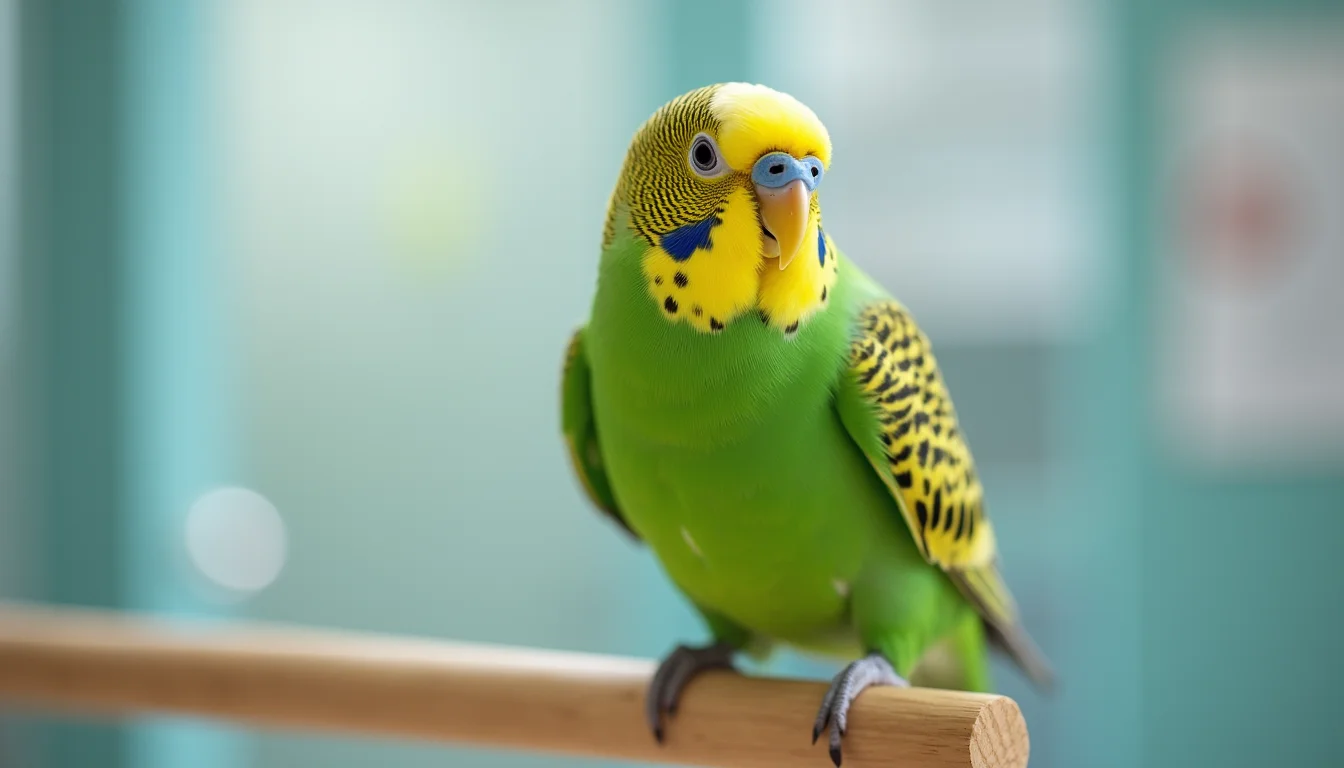
Parakeets, cockatiels, lovebirds, conures, parrots and backyard chickens all need a veterinarian who understands birds. Birds hide illness well, and by the time a bird looks sick it often needs care quickly. This guide explains what an avian vet does, what to expect from a checkup and which signs mean you should call the same day.
What is an avian vet?
An avian vet is a veterinarian with training and regular experience in bird medicine. Some are board-certified specialists in avian practice through the American Board of Veterinary Practitioners, while many others are general or exotic-animal vets with a strong interest in birds. Bird medicine is different from dog and cat medicine: drug doses, blood sampling, anesthesia and even safe handling need specific skills.
When you call a clinic, ask:
- Which species do your veterinarians see regularly?
- Can you hospitalize birds in a warm, quiet area away from dogs and cats?
- Do you do bloodwork and X-rays on birds in-house?
- Who covers bird emergencies at night and on weekends?
The Association of Avian Veterinarians has a vet finder on its website, and our list of avian vets in California shows clinics that say on their own websites that they treat birds.
The new-bird exam and yearly checkups
Take a newly bought or adopted bird to an avian vet within the first few days, before it meets your other birds. A first visit usually includes weight, a full physical exam, a look at the droppings and, depending on the species and history, tests for infections such as psittacosis, which can also infect people.
After that, most avian vets recommend a wellness exam once a year. Weight is the most useful single number in bird medicine, so many owners also weigh their bird at home on a gram scale every week.
Find a vet near you
Compare 4,201 California veterinary clinics by rating, hours and emergency care.
Popular:Los AngelesSan DiegoSan FranciscoSan JoseSacramentoBakersfieldFresnoSanta RosaAll cities →
Warning signs: call an avian vet today
- Sitting fluffed up, sleepy during the day or staying on the cage floor.
- Tail bobbing with each breath, open-mouth breathing or clicking sounds.
- Not eating, or a sudden change in the color, amount or consistency of droppings.
- Vomiting or regurgitating, especially with a messy face or head feathers.
- Any bleeding, including a broken blood feather, or a fall, burn or attack by another pet.
- A swollen abdomen or straining in a female bird, which can be egg binding.
Keep a sick bird warm, quiet and in a small carrier, and bring a photo of recent droppings and a list of everything it eats.
Common household dangers for birds
- Nonstick cookware fumes. Overheated PTFE (Teflon) coatings release fumes that can kill birds within minutes. Keep birds far from the kitchen and consider other cookware.
- Smoke and aerosols, including wildfire smoke, scented candles and sprays. Birds' lungs are very sensitive. On bad air quality days keep windows closed and run an air purifier.
- Toxic foods such as avocado, chocolate, caffeine, alcohol and very salty foods.
- Heavy metals from old paint, lead weights, some toys and zinc-coated wire.
- Other pets. Even a playful scratch from a cat can cause a dangerous infection in a bird and needs prompt veterinary care.
Frequently asked questions
How often should a pet bird see a vet?
Once when you first get the bird, then once a year for a wellness exam, and right away if you notice any warning signs.
Can a regular vet treat my bird?
Some general practices see birds, but experience varies. For anything beyond a nail trim, a vet who sees birds regularly is the safer choice.
What about backyard chickens?
Some avian and mixed-practice vets see poultry. Call ahead, and contact the California Department of Food and Agriculture if many birds in a flock get sick or die suddenly, as some poultry diseases must be reported.
See also our guide to exotic pet vets for reptiles and small mammals.
More pet health guides
 Rattlesnake bites in dogs: what to do and how to prevent them in CaliforniaIf a rattlesnake bites your dog: the symptoms, what to do on the way to the vet, what not to do, how…
 Low-cost spay and neuter in California: programs, vouchers and what to expectHow to get a low-cost spay or neuter for your dog or cat in California: nonprofit clinics, county vouchers, state-funded programs, eligibility…
 Cat vaccination schedule: kittens, adults and indoor catsWhich vaccines cats need and when: kitten shots by age, adult boosters, FeLV for kittens, rabies rules in California and what indoor…