
If you share your home with a dog or cat in California, you already know: pets are family. And they are part of us
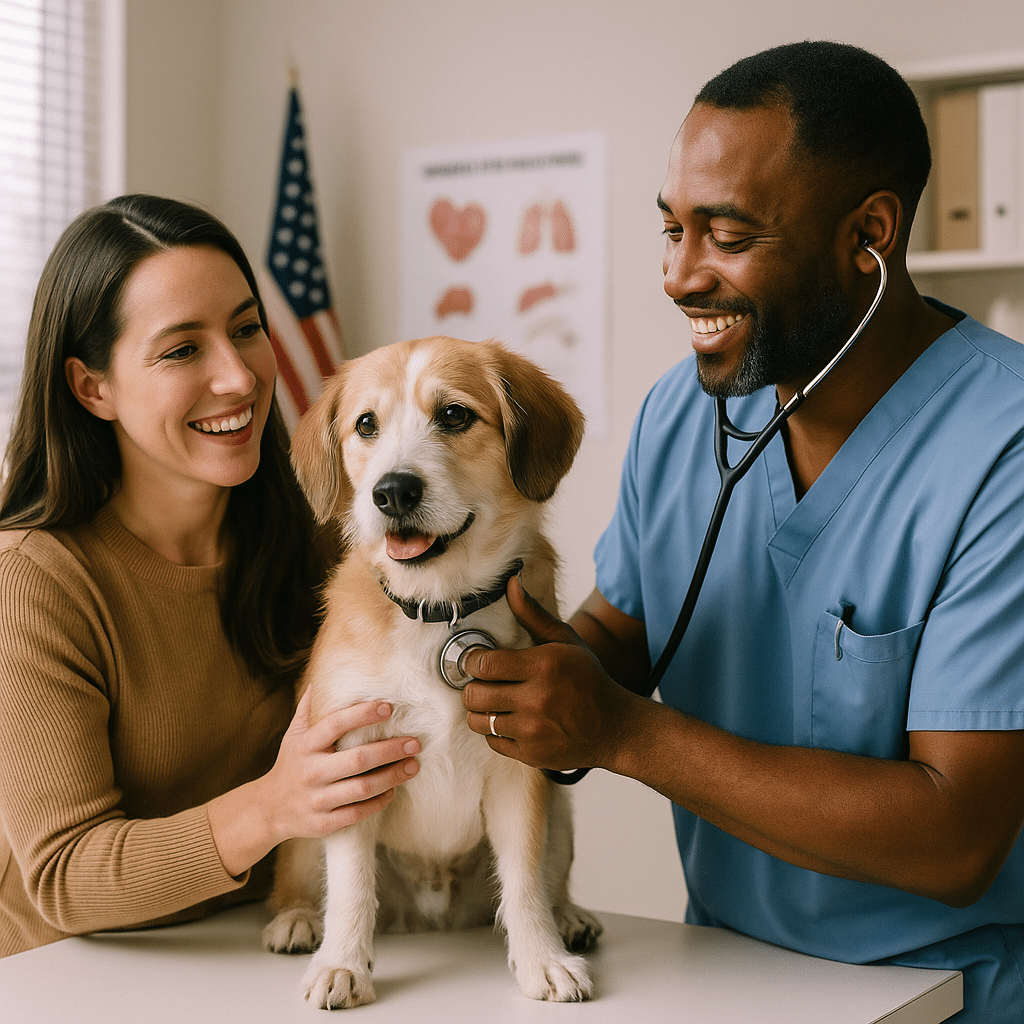
Keeping them healthy isn’t about reacting to emergencies; it’s about staying one step ahead with regular wellness exams, the right vaccination schedule, good dental care, and a trusted veterinarian near me you can call when something feels off.
Preventive care helps catch problems early—before they get painful (and expensive).
The American Veterinary Medical Association reinforces this: routine wellness visits detect issues sooner and keep pets healthier, longer.
- Find your trusted veterinarian nearby here
- Why routine “wellness exams” are non-negotiable
- California essentials: rabies vaccination and local rules
- How to choose a veterinarian you can trust (California edition)
- The most searched veterinary services (and what they mean for your pet)
- How often should I take my pet to the vet?
- Pet insurance in California: worth it?
- What to look for when you visit the clinic (checklist)
- When to go to the emergency vet (bookmark this)
- Frequently asked questions (California)
- A gentle nudge from one pet parent to another
Find your trusted veterinarian nearby here
Why routine “wellness exams” are non-negotiable
Here’s the truth every loving pet parent knows in their bones: our animals can’t tell us when something feels “off.” Wellness exams give them that voice.
A routine checkup is a calm, nose-to-tail conversation about your pet’s health. Your vet listens to the heart and lungs, feels the abdomen, checks joints and gait, looks under the tongue and along the gumline, examines eyes, ears, and skin, and notices the tiny changes we miss in busy daily life. Those small clues—an extra pound, a subtle limp, a new heart murmur—are where early detection begins.
Pets age faster than we do.
What looks like “just a year” to us can be a big leap for them.
That’s why at least one exam a year is essential, and for seniors or pets with chronic issues, twice-yearly visits make a real difference.
It’s not about finding problems; it’s about keeping joy—longer walks, brighter eyes, softer fur, steady appetites—right where it belongs: at home with you.
Wellness care is also gentle prevention.
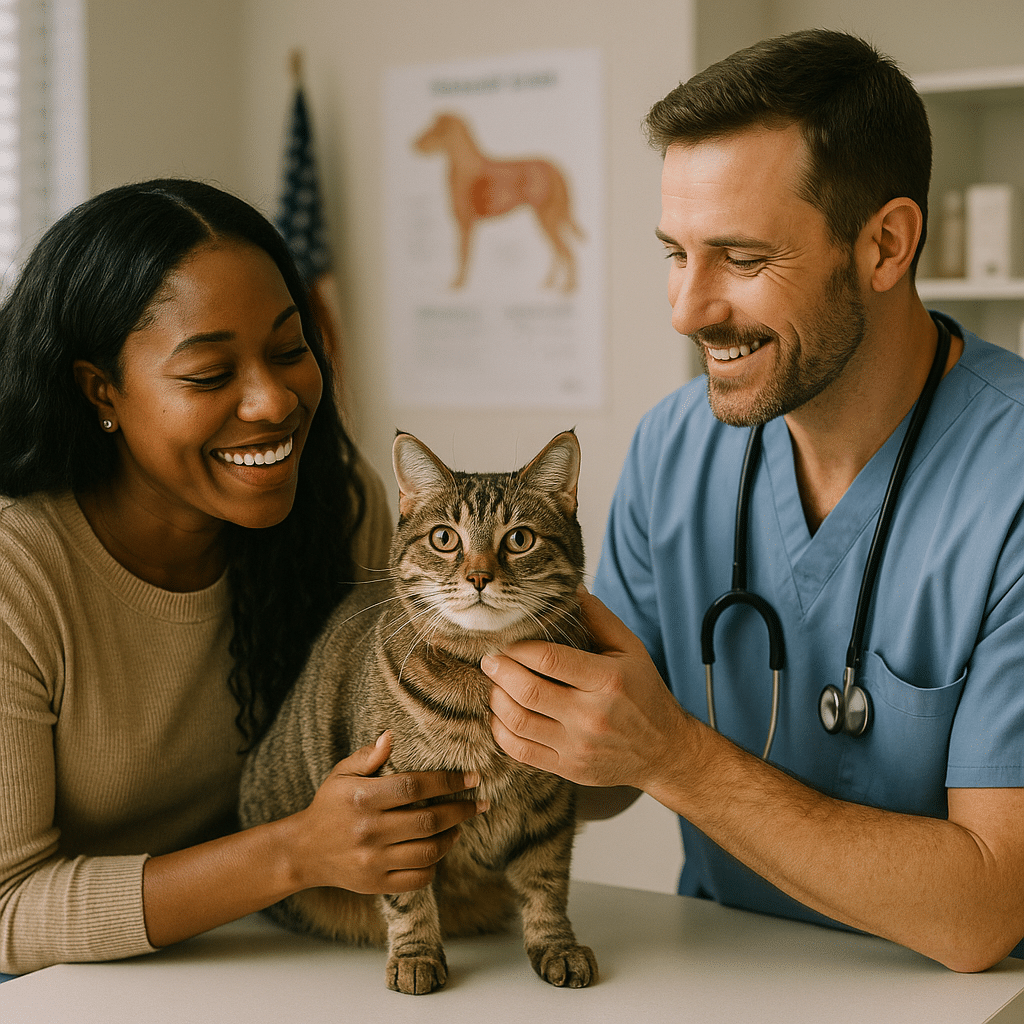
Pets age faster than we do. What looks like “just a year” to us can be a big leap for them. That’s why at least one exam a year is essential, and for seniors or pets with chronic issues, twice-yearly visits make a real difference. It’s not about finding problems; it’s about keeping joy—longer walks, brighter eyes, softer fur, steady appetites—right where it belongs: at home with you.
Wellness care is also gentle prevention.
Vaccines and parasite protection keep dangerous illnesses away.
Dental checkups and cleanings protect the mouth (and the heart, kidneys, and liver) from quiet, painful disease.
Nutrition guidance keeps weight in a healthy range so joints last longer and energy stays up. Behavior support helps nervous pets feel safe at the clinic and relaxed at home.
Most of all, these visits protect memories in the making—one more game of fetch, one more evening on the couch, one more “welcome home” at the door. If your pet could book the appointment, they would. Do it for them.
California essentials: rabies vaccination and local rules
In California, every dog must receive a rabies vaccine by 4 months of age. It’s not just a box to tick—this is how we protect our pups and the people (and pets) they cuddle up with every day.
Most cities and counties also tie your dog’s license to a current rabies shot. That little tag on the collar does a big job: it proves your dog is vaccinated, helps reunite you if they ever get lost, and keeps your household on the right side of local rules. (Examples: San Diego County and San Francisco both require dog licensing linked to valid rabies vaccination.)
What about cats and other companions? California doesn’t require rabies vaccination statewide for cats, but the state health department strongly supports vaccination, and some local jurisdictions do require or specifically call it out—especially for outdoor cats. If your whiskered explorer spends time outside, vaccinating is a wise, protective choice. (Local rules can vary—South San Francisco, for instance, lists rabies for cats in its licensing info.)
For rabbits, guinea pigs, birds, and most reptiles, rabies vaccination isn’t part of routine care—but they still benefit from regular wellness visits and safe, species-appropriate handling. If they share space with dogs or outdoor cats, your vet can help you build smart prevention around your whole “mixed family” so everyone stays safe and thriving. (And if you’re ever unsure, a quick call to your city or county animal services clears it up fast.)
Bottom line: give your dog their rabies shot on time, license where required, vaccinate cats—especially outdoor cats—and check your local page for any extras. It’s simple, it’s loving, and it keeps your whole crew protected.
How to choose a veterinarian you can trust (California edition)
- A good match feels calm, kind, and consistent—for you and for the little life you love.
- Care that fits California living often blends high standards with practical access: modern medicine, compassionate handling, and clear next steps without surprises.
Quality markers that reassure
- AAHA accreditation = a hospital that meets extra-rigorous standards in patient care, anesthesia, dentistry, pain control, and safety protocols.
- Fear Free certification = teams trained to reduce stress, anxiety, and fear with gentle handling, thoughtful environments, and considerate communication.
- Transparent medical records, consent forms, and follow-ups that read like a conversation, not a contract.
Services that fit your pet’s world
- 24/7 or extended-hours hospitals nearby for those inevitable “it’s late and something’s wrong” moments.
- Urgent-care options for same-day concerns that aren’t life-threatening.
- Teams experienced with specific companions—dogs and cats, of course, and also rabbits, birds, and reptiles when that’s who shares the sofa.
- Mobile/house-call support for seniors on four legs, anxious travelers, or families who do best at home.
Communication that feels like partnership
- Estimates in writing, with what’s included and what might change, so decisions feel peaceful.
- Plain-language explanations of diagnoses, options, outcomes, and recovery—no mystery, no pressure.
- Thoughtful discharge notes and check-ins that make home care feel doable and supported.
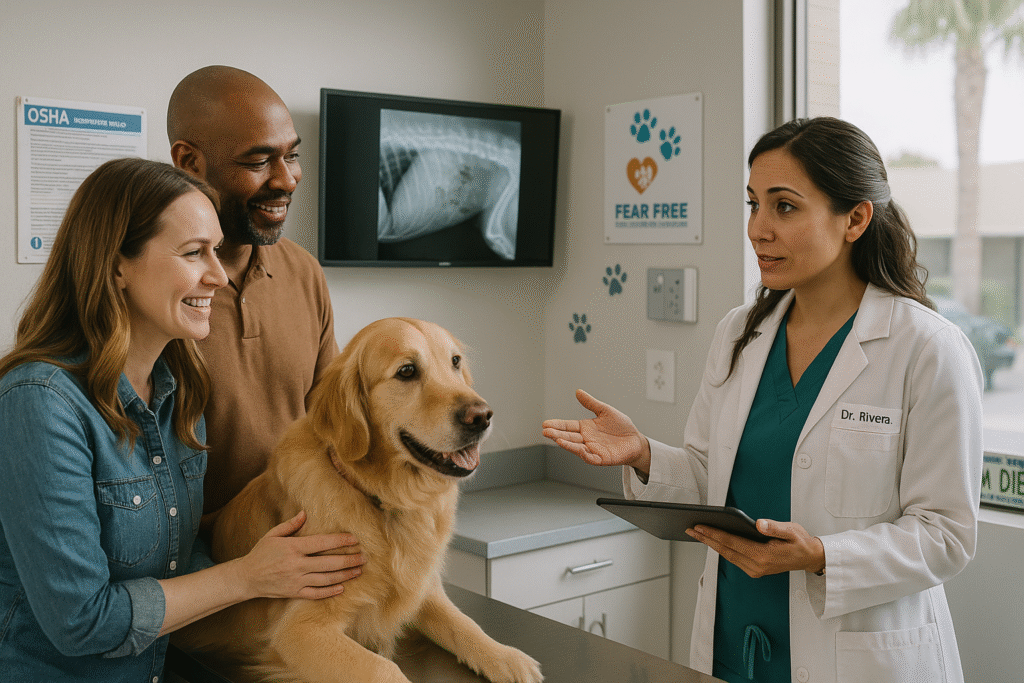
Spaces that lower tiny heart rates (and human ones)
- Clean, welcoming lobbies; separate dog/cat areas when possible; quiet corners for nervous pets.
- Gentle handling cues: pheromone diffusers, soft bedding, low-noise wards, and slow movements.
- Modern safety behind the scenes: dental X-rays, up-to-date anesthesia monitoring, and proactive pain management.
Practical California touches
- Easy access from your neighborhood and traffic patterns you can live with.
- Clear guidance on local requirements (licensing, vaccination timing) woven into routine visits.
- Referrals to trusted specialists and emergency partners across the region when extra help is needed.
The feeling that seals it
- Staff who remember names, quirks, and comfort items.
- A doctor who kneels to greet the patient first.
- A sense, walking out the door, that your best friend has a medical home—and you have a team in your corner.
The most searched veterinary services (and what they mean for your pet)
Emergency & 24-hour care
No one plans for the late-night moments—the sudden labored breathing, the collapse after a zoomie, the frantic retching that won’t stop. Emergency teams exist for exactly this: to stabilize, relieve pain, and buy time for answers. Keeping the nearest 24/7 hospital saved in your phone turns panic into a plan. When minutes feel heavy, a calm voice saying “we’re ready for you” is sometimes the best medicine for both of you.
Puppy and kitten care: vaccines and parasite protection
Baby paws meet a big world. Thoughtful vaccine schedules protect against illnesses that don’t care how loved a pet is—parvovirus, distemper, panleukopenia, rabies. Your veterinarian will pace shots so tiny bodies build strong immunity without overwhelm, and will pair them with flea, tick, and (in many parts of California) heartworm prevention. This is how everyday adventures—dog parks, beach walks, hikes—stay simple joys instead of risks.
Spay & neuter
This isn’t just about preventing litters. Spay/neuter can lower the risk of certain cancers and reduce hormone-driven stressors like roaming and fighting. It also lets many pets settle into themselves sooner—more cuddles, fewer storms in a small body. Communities across California support this choice because it’s good for pets, families, and shelters alike.
Dental care
Most pets will develop dental disease if we ignore their mouths. Professional cleanings under anesthesia do the deep work we can’t: X-rays to find hidden trouble, scaling under the gumline, and extractions when a tooth quietly hurts. Fresh breath is nice; freedom from chronic oral pain is life-changing. Many families notice their pet eating more happily, playing longer, and sleeping more peacefully after a proper dental.
Senior comfort & longevity
Aging isn’t a diagnosis—it’s a new season. Twice-yearly checkups, gentle pain scoring, arthritis plans, and screening labs help catch what’s starting rather than what’s already here. Small adjustments—joint supplements, diet tweaks, softer bedding, safer walks—compound into big comfort. Older pets are fluent in love; our job is to keep their days as easy as their hearts are full.
How often should I take my pet to the vet?
- Puppies/kittens: multiple visits in the first year for vaccines, deworming, microchipping, and spay/neuter timing.
- Healthy adults: at least annually; some pets benefit from every 6 months depending on breed, lifestyle, or past issues.
- Seniors/chronic conditions: plan on twice-yearly exams and periodic lab work to catch changes early.
Pet insurance in California: worth it?
Californians face rising veterinary costs, and many are exploring pet insurance to buffer emergencies and major treatments.
In 2025, California adopted new rules (SB 1217) to make policies clearer—improving transparency around exclusions, waiting periods, deductibles, and how claims are determined. That makes it easier to compare plans apples-to-apples.
Recent reporting shows California is among the largest markets for pet insurance, with upward pressure on vet costs over the last decade and average premiums that vary by species and coverage.
Always compare multiple quotes and check what’s covered (accident/illness vs. wellness add-ons).
What to look for when you visit the clinic (checklist)
- Credentials & standards: AAHA-accredited hospital (bonus: Fear Free), clear anesthesia and pain protocols.
- Services that match your needs: 24-hour ER, urgent care vet, same-day appointment, tele-vet, exotic pet vet, mobile vet.
- Transparent estimates & communication: written treatment plans, discharge notes, and follow-ups.
- Prevention-first mindset: vaccine strategy (incl. rabies per CA law), parasite prevention, dental care, nutrition, weight.
- Facility & handling: clean, calm, cat-friendly spaces; low-stress handling.
When to go to the emergency vet (bookmark this)
Head to a 24-hour animal hospital immediately if you see:
- Trouble breathing, blue/pale gums
- Collapse, seizures, inability to stand
- Suspected toxin ingestion (chocolate, lilies, xylitol, medications)
- Bloated abdomen or non-productive retching (possible bloat in dogs)
- Repeated vomiting/diarrhea, bloody stool/urine, urinary blockage signs (cats)
- Major trauma (falls, car accidents), uncontrolled bleeding
Frequently asked questions (California)
Do I legally need to vaccinate my dog for rabies?
Yes. California requires rabies vaccination for dogs by 4 months of age; many localities tie licensing to proof of rabies vaccination.
How often should my pet get a wellness exam?
At least annually for healthy adults; twice-yearly is common for seniors or pets with ongoing conditions.
Is AAHA accreditation worth prioritizing?
It’s a strong quality signal because the hospital chooses to meet rigorous standards that aren’t required by law.
Is pet insurance worth it in California?
It depends on your budget, breed-related risks, and how you’d handle a large, unexpected bill. New 2025 rules (SB 1217) make policy terms clearer so you can compare options more easily. San Francisco
A gentle nudge from one pet parent to another
Your pet doesn’t know the words “preventive care” or “AAHA-accredited.”
They just know you—the person who shows up. Choose a trusted veterinarian in California, keep up with wellness exams, and sort out rabies vaccination and routine care now, so you rarely need the emergency vet later.
When in doubt, call.
The right clinic will make it easy to ask questions and will treat your pet like family—because they are.