
Caring for a pet in California means thinking ahead—about everyday comfort, about sudden emergencies, and about the quirks of living in a state with fires, wildlife, and lots of places to explore together.
The services below are what good clinics use to keep dogs, cats, and other companions safe for the long run: regular checkups to catch things early, clean teeth to protect the heart and kidneys, tests and imaging when something’s “off,” surgery and urgent care when life surprises you, and extra support for travel, aging, or special species.
It’s a whole-picture approach designed so your animal can stay active, happy, and at home with you for as many years as possible.
These are the main veterinary services you can find throughout the State of California for the care of your pet.
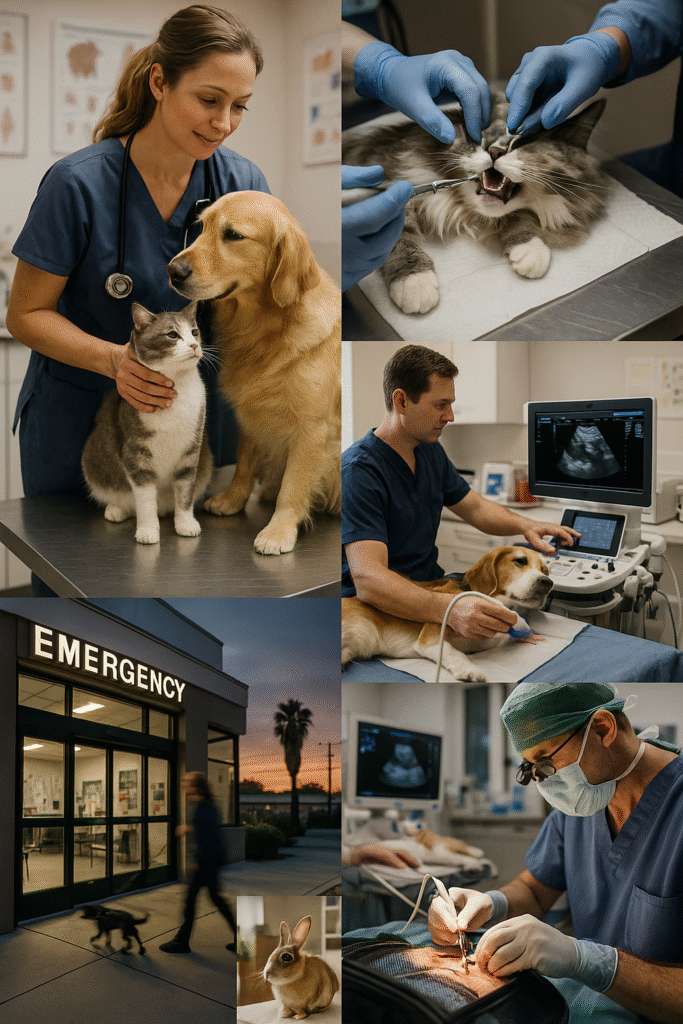
- Find your trusted veterinarian nearby here
- Preventive & primary care
- Wellness exams (annual/semiannual), baseline screening, vital trends
- Vaccinations (core + lifestyle; rabies required for dogs in CA)
- Parasite prevention (fleas, ticks, heartworm, intestinal worms)
- Puppy/kitten care (series vaccines, deworming, early counseling)
- Senior pet care (biannual checks, pain/arthritis plans, lab panels)
- Microchipping & ID registration
- Nutrition & weight management plans
- Behavior guidance (anxiety, reactivity, Fear Free handling)
- Dentistry
- Home-care plans (toothbrushing, rinses, dental diets/chews)
- Diagnostics
- In-house laboratory (same-day results) — CBC, chemistry, urinalysis, cytology
- Imaging services — digital X-rays, ultrasound; CT/MRI via referral
- Surgery & anesthesia
- Urgent & Emergency
- Specialty & advanced care (usually by referral or larger hospitals)
- Lifestyle & support services
- Travel health certificates and pet travel prep
- House-call and mobile veterinary visits
- Telemedicine and teletriage follow-ups
- In-clinic pharmacy and prescription diets
- Chronic disease support and refills
- End-of-life and hospice-style care
- Grooming and hygiene services in some clinics
- Boarding and daycare in mixed-service facilities
- California-Specific Notes (common in clinics)
Find your trusted veterinarian nearby here
Preventive & primary care
Wellness exams (annual/semiannual), baseline screening, vital trends
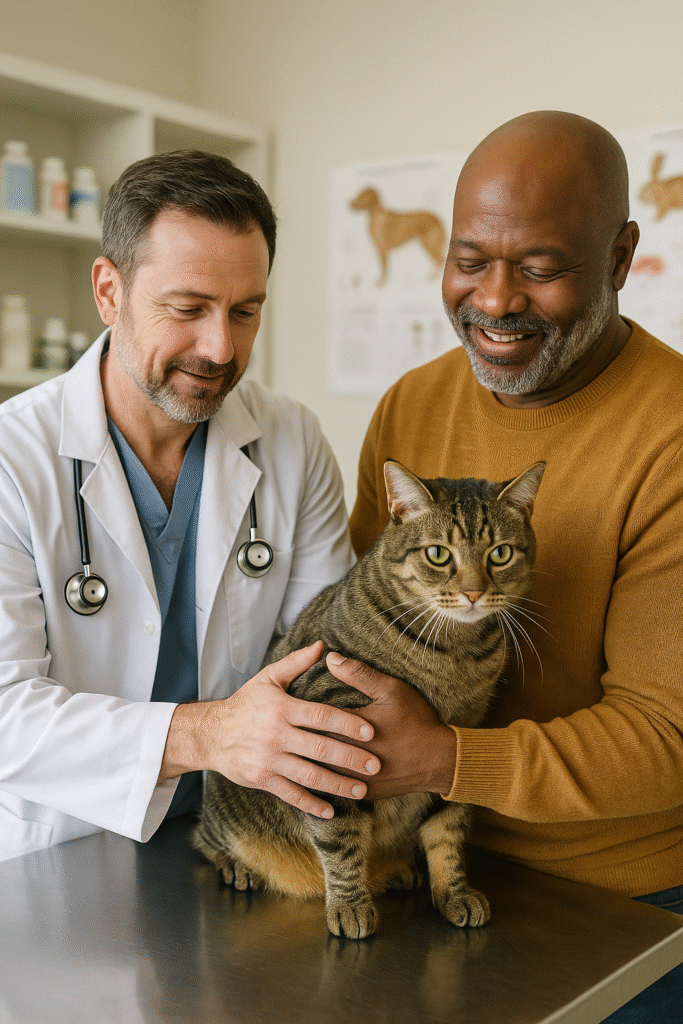
Routine pet wellness exam, annual vet visit, or biannual checkup keeps tabs on weight, body condition, heart and lungs, skin and coat, dental health, joints, and behavior. Your vet builds a baseline bloodwork and urinalysis profile to spot issues early—exactly why preventive care for dogs and cats saves money and stress long-term in California families.
Vaccinations (core + lifestyle; rabies required for dogs in CA)
A tailored dog vaccination schedule or cat vaccination schedule covers core vaccines (DA2PP for dogs, FVRCP for cats) and lifestyle vaccines (leptospirosis, Bordetella/kennel cough, Lyme, feline leukemia). Rabies vaccine California is required for dogs and often recommended for outdoor cats. Your clinic times puppy shots and kitten vaccines to protect before park visits, boarding, grooming, or travel.
Parasite prevention (fleas, ticks, heartworm, intestinal worms)
Year-round flea and tick prevention, heartworm prevention California, and deworming for dogs and cats block itchy skin, anemia, GI upset, and serious heart-lung disease. Vets match topical or chewable preventives to your pet’s lifestyle—hiking, beaches, dog parks—so your plan covers roundworms, hookworms, tapeworms, and regional tick risks.
Puppy/kitten care (series vaccines, deworming, early counseling)
A complete new puppy vet visit or new kitten vet visit sets you up with puppy shots schedule, kitten vaccination schedule, timed deworming, and guidance on crate training, housebreaking, litter box success, socialization, and safe chew/toy choices. Expect tips on spay and neuter timing, microchipping, and flea control for puppies and kittens.
Senior pet care (biannual checks, pain/arthritis plans, lab panels)
Senior dog care and senior cat care focus on comfort and early detection: twice-yearly exams, arthritis in dogs, cat arthritis, cognitive change screening, dental status, and targeted labs for kidney disease in cats, liver disease, thyroid problems, or Cushing’s disease. Plans may include joint supplements, pain management, weight tuning, and low-impact exercise.
Microchipping & ID registration
A quick, permanent pet microchip linked to microchip registration dramatically improves reunion rates after escapes, evacuations, or travel. California shelters and clinics routinely scan, so adding microchip for dogs or microchip for cats is one of the highest-impact safety steps you can take.
Nutrition & weight management plans
Customized dog weight loss plan or cat weight loss plan tackles overweight dog and overweight cat risks—diabetes, arthritis, heart strain. Your vet sets ideal calories, prescription diet options, and treat guidelines, then tracks progress with body condition scoring and rechecks. Expect practical swaps for table scraps and clear feeding charts.
Behavior guidance (anxiety, reactivity, Fear Free handling)
Clinics using fear free veterinarian methods reduce stress with gentle handling, pheromones, and quiet spaces. If you’re seeing dog anxiety, separation anxiety, reactive dog behavior, or cat stress at the vet, you’ll leave with a plan: enrichment, training referrals, calming supplements, or medications when appropriate—so visits feel safer for everyone.

Dentistry
Oral exams & dental X-rays (radiographs)
- Comprehensive oral exam (COHAT), gum scoring, periodontal charting.
- Dental X-rays for pets / dog dental X-rays / cat dental X-rays to find tooth root abscess, retained roots, tooth resorption in cats, fractured tooth in dogs.
- Screens for gingivitis in cats, periodontal disease in dogs, loose teeth, oral tumors, stomatitis.
- Related searches: bad breath in dogs, why does my dog’s breath smell, cat drooling, dog chipped tooth.
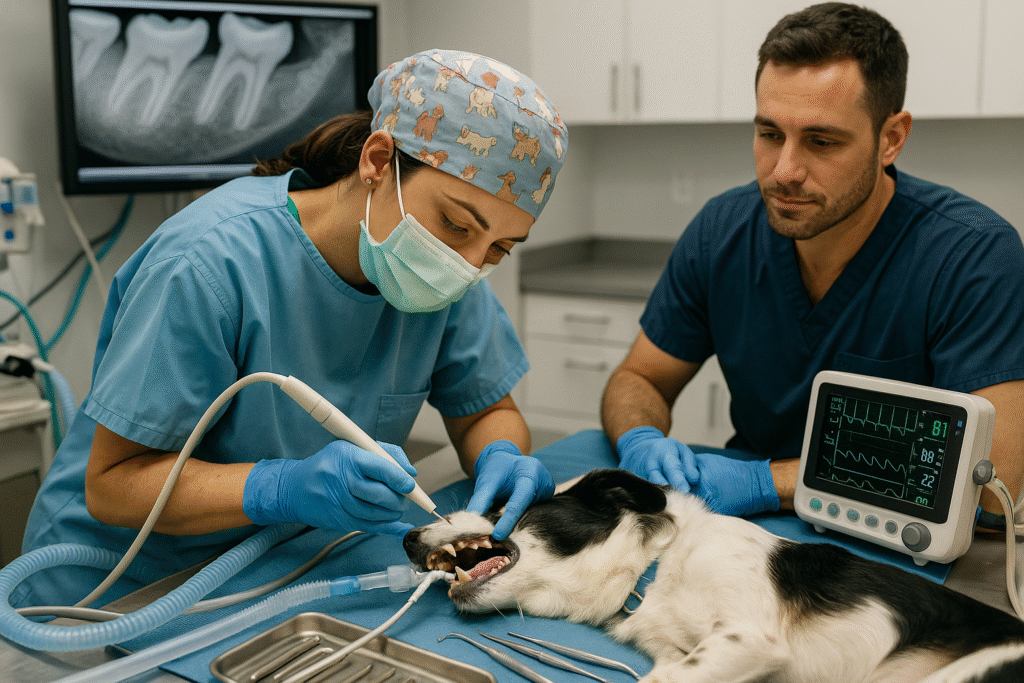
Professional cleanings under anesthesia
- Dog teeth cleaning and cat dental cleaning with ultrasonic scaling, subgingival curettage, and polishing.
- Anesthesia dental cleaning for full-mouth X-rays, pain control, and airway protection; safer and more complete than anesthesia-free dental.
- Add-ons: fluoride treatment, sealants, localized antibiotic gel.
- Pricing topics people search: cost of dog teeth cleaning, cat dental cleaning cost, pet dental cleaning near me.
Extractions & periodontal treatment
- Simple and surgical extractions, gingival flap surgery, bone grafts, advanced periodontal therapy.
- Care for canine fractured carnassial, feline tooth resorption, oronasal fistula, persistent baby teeth.
- Pain management: local nerve blocks, multimodal analgesia, post-op meds and soft food after tooth extraction.
- Related searches: dog tooth extraction cost, cat tooth extraction recovery, loose tooth dog, abscessed tooth cat.
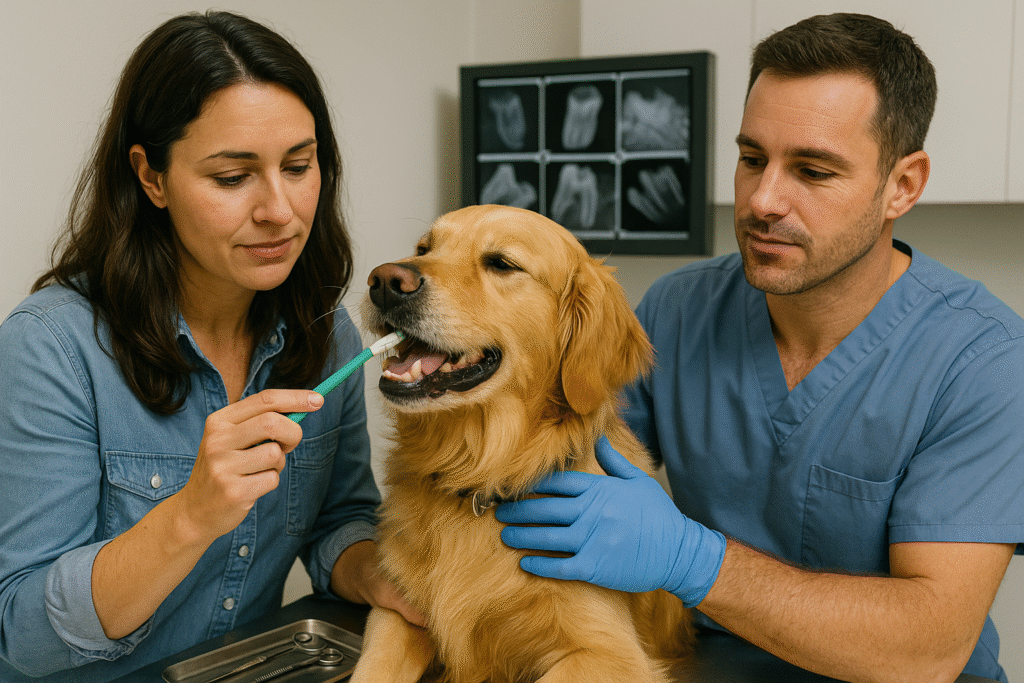
Home-care plans (toothbrushing, rinses, dental diets/chews)
- Daily dog toothbrushing / cat toothbrushing with enzymatic toothpaste; dental wipes for reluctant pets.
- Chlorhexidine rinses, water additives, VOHC-approved dental chews, dental diets for tartar control.
- Habits & prevention: how to brush dog’s teeth, how often to clean cat teeth, best dental chews for dogs, cat dental care at home.
- Follow-ups: annual pet dental exam, senior dog dental care, kitten/puppy teething care to keep plaque and tartar down long-term.
Diagnostics
In-house laboratory (same-day results) — CBC, chemistry, urinalysis, cytology
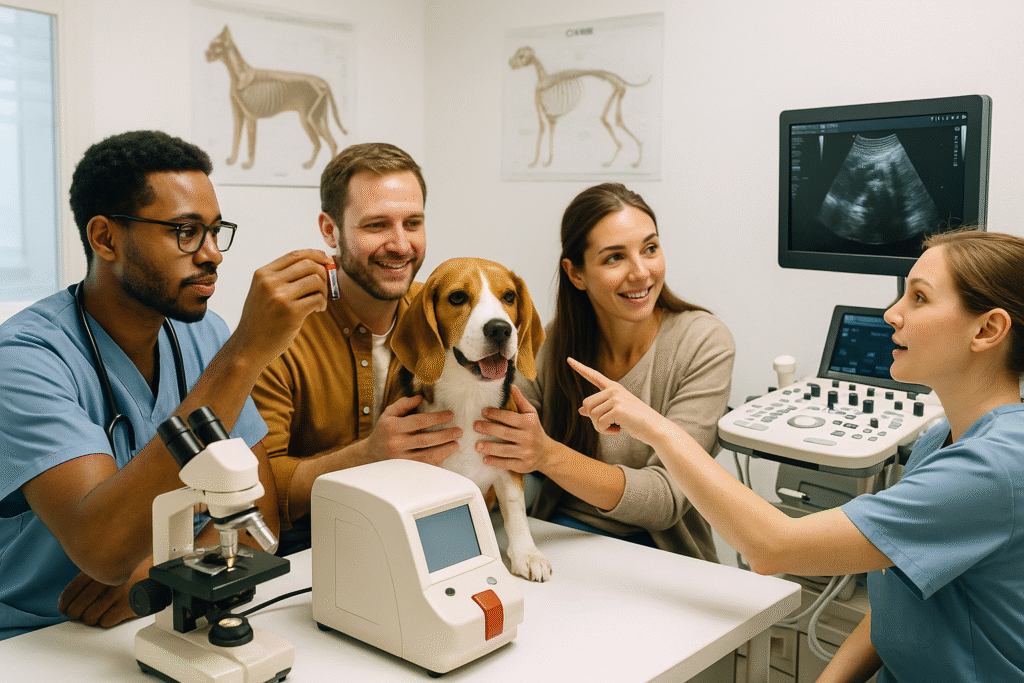
Fast diagnostics for sick pets and pre-op screens: CBC for dogs and cats, blood chemistry panel, urinalysis with sediment, in-clinic cytology (ear swab, skin scrape, fine-needle aspirate). Ideal for vomiting dog, diarrhea in cats, UTI in dogs, ear infection in dogs, allergic dermatitis, lump check on dogs. Same-visit answers help guide antibiotics vs. no antibiotics, dehydration/IV fluids, and safe anesthesia decisions.
Reference laboratory testing — endocrine, cultures, advanced panels
Send-out assays for deeper answers: thyroid test for dogs (T4, free T4, TSH), hyperthyroidism in cats (T4), Cushing’s disease test (ACTH stim, low-dose dexamethasone), Addison’s disease test, pancreatitis in dogs (Spec cPL), pancreatitis in cats (Spec fPL), urine culture and sensitivity, tick-borne disease panel, allergy testing for dogs and cats, GI PCR panel, bile acids test. Useful for chronic weight loss in cats, increased thirst/urination in dogs, recurrent skin infections, and antibiotic resistance workups.
Imaging services — digital X-rays, ultrasound; CT/MRI via referral
Digital radiography (pet X-ray) for broken leg, foreign body in dog, pneumonia, heart enlargement, bladder stones. Abdominal ultrasound to evaluate liver, spleen, kidneys, intestines, pyometra, pregnancy ultrasound for dogs and cats, and mass mapping. Many clinics coordinate CT scan for dogs, MRI for dogs and cats, and oncology imaging through referral hospitals for complex neurology and cancer staging.
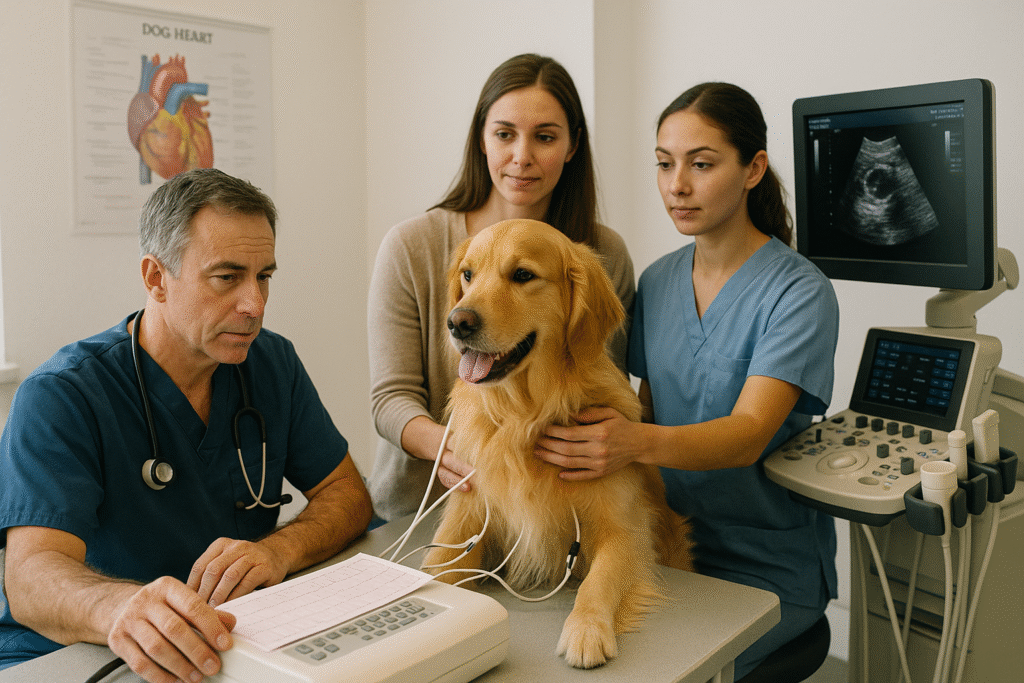
Cardiac workups — ECG, blood pressure, echocardiogram (cardiology)
Full heart evaluation for heart murmur in dogs, congestive heart failure, coughing dog, fainting/syncope, hypertension in cats: electrocardiogram (ECG) for rhythm analysis, Doppler blood pressure, pro-BNP blood test, and echocardiogram performed in-house or by a board-certified veterinary cardiologist. Guides therapy such as pimobendan, diuretics, antiarrhythmic medications, and home monitoring plans.
Surgery & anesthesia
Spay/Neuter
Prevents pyometra and reduces mammary, ovarian, testicular, and prostate disease; curbs roaming and spraying. Includes pre-anesthetic exam, pre anesthesia blood work, IV catheter, and take-home pain medication. Options may include laparoscopic spay and low cost spay neuter programs at participating clinics.
Soft-Tissue Surgery
Mass removal with histopathology, tumor removal, gastrointestinal foreign body surgery, gastric dilatation–volvulus stabilization via referral, bladder stone removal and cystotomy, pyometra surgery, skin and wound repair, abscess drainage, ear hematoma surgery, ocular and oral procedures. Many hospitals provide same day pet surgery and emergency surgery when needed.
Orthopedics (often with specialists)
Dog ACL surgery with TPLO, TTA, or extracapsular repair; patellar luxation correction; fracture repair with plates, pins, or external fixators; elbow dysplasia and hip dysplasia management; arthroscopy, rehabilitation, and veterinary physiotherapy. Cases are frequently handled by a board certified veterinary surgeon or orthopedic vet.
Pre-Op Assessment & Safety
Full physical exam, ASA classification, fasting guidance, CBC/chemistry and electrolytes, urinalysis as indicated, chest radiographs or echocardiogram for cardiac risk, blood type/crossmatch when appropriate, IV fluids during anesthesia, and written estimates with consent.
Anesthesia Protocols
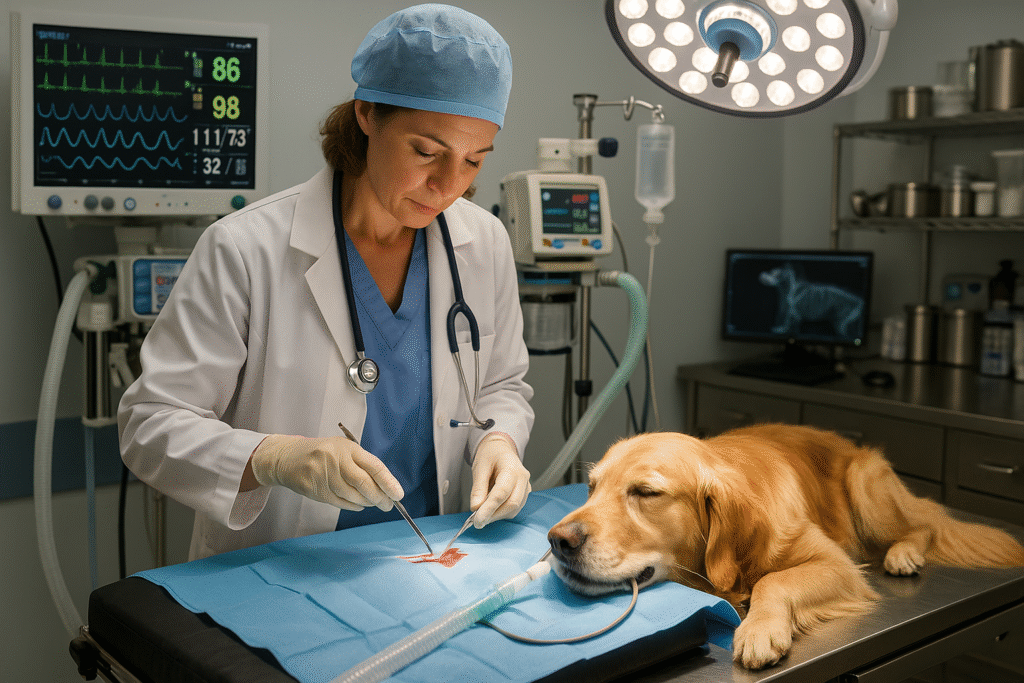
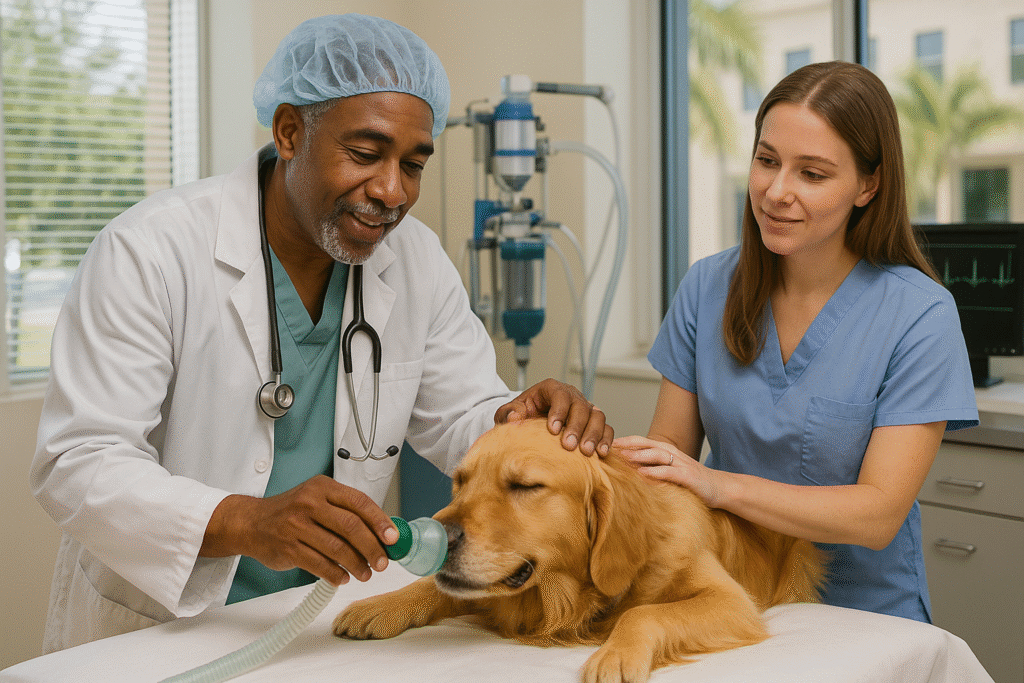
Tailored premedication, induction, inhalant anesthesia or total IV anesthesia, local blocks and epidurals, and multimodal analgesia combining opioids, NSAIDs, gabapentin, ketamine, and lidocaine CRI when appropriate.
Intra-Op Monitoring
Continuous pulse oximetry, capnography, ECG, noninvasive or invasive blood pressure monitoring, temperature support with active warming, and dedicated anesthesia technician for real-time trend tracking.
Pain Management & Recovery
Nerve blocks, dental and regional blocks, anti-nausea therapy, laser therapy or cold therapy, detailed post op care instructions, e-collar, activity restriction timeline, recheck and suture removal scheduling, and access to emergency vet support after hours.
Advanced/Referral Options
Thoracic surgery, neurosurgery, airway surgery for brachycephalic breeds (BOAS), hepatobiliary procedures, and minimally invasive options such as laparoscopy and arthroscopy at specialty or 24 hour animal hospital facilities. Financing options like CareCredit may be available.
Urgent & Emergency
Same-day urgent care for pets who can’t wait
For sudden but non-life-threatening problems—ear infections, limping, eye redness, skin flareups, upset stomach, small wounds—many California clinics offer same-day or “urgent vet” appointments. This keeps pets out of the ER and lets a veterinarian examine, diagnose, and start treatment quickly so things don’t snowball into an emergency. Owners often call for dog vomiting, cat not eating, scooting, hotspots, or foxtail concerns, and these are exactly the kinds of issues urgent care handles.
24/7 emergency and after-hours hospitals
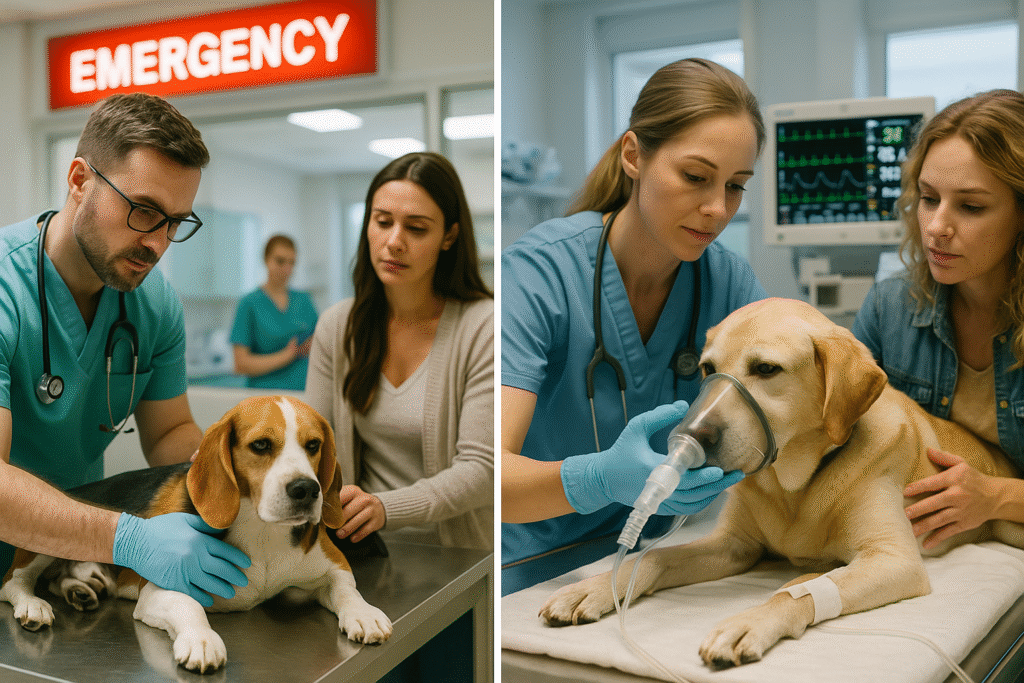
When something truly scary happens—trouble breathing, collapse, bloat in large-breed dogs, car accidents, seizures, poisoning, labor not progressing—pets need an emergency vet or a 24 hour animal hospital. These hospitals are built for rapid triage, have a doctor on site, and can run labs and imaging right away. Having the closest pet ER mapped out before you need it saves time, especially in traffic-heavy California areas.
Stabilization, monitoring, and ICU-level support
Some emergencies need more than a shot and discharge. Critically ill pets may be admitted for IV fluids, pain control, continuous monitoring, and advanced nursing care. Where available, oxygen cages help pets with pneumonia or heart disease, and some hospitals can perform blood or plasma transfusions for anemia, clotting problems, or toxin exposure. This is also where pancreatitis, parvo, heatstroke, snakebite, or trauma patients are watched closely until they’re stable enough to go home.
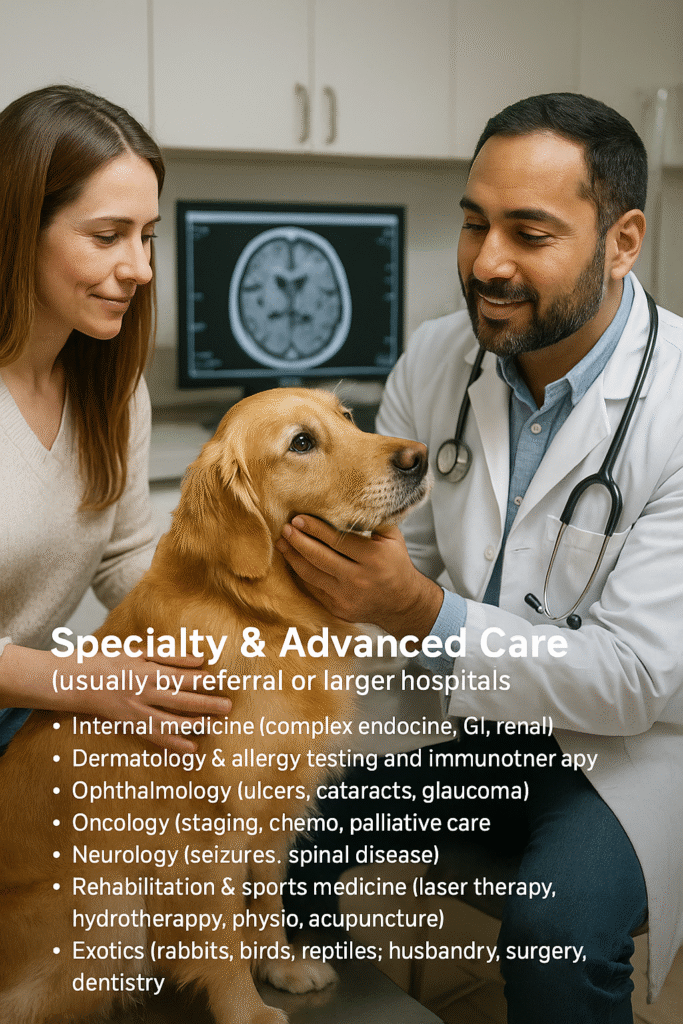
Specialty & advanced care (usually by referral or larger hospitals)
Internal medicine (complex endocrine, GI, renal)
When a dog or cat keeps losing weight, has chronic vomiting or diarrhea, drinks and pees more than normal, or has repeat infections, veterinarians turn to internal medicine. These doctors dig deeper with advanced diagnostics to manage conditions like diabetes, Cushing’s disease, Addison’s disease, inflammatory bowel disease, pancreatitis, chronic kidney disease, and liver disease. The goal is to stabilize the pet, find the root cause, and build a long-term treatment plan so families can enjoy more good days together.
Dermatology and allergy care
California pets deal with year-round pollen, dust mites, and fleas, so skin and ear problems show up a lot. Veterinary dermatology helps with itchy dogs, hot spots, chronic ear infections, hair loss, food allergies, and environmental allergies. Testing and immunotherapy can reduce flareups, and vets layer in medicated shampoos, diet changes, and parasite control to keep the skin comfortable.
Ophthalmology (eyes)
Eye problems can worsen quickly, so specialty eye care protects vision and comfort. Vets treat corneal ulcers, dry eye, cataracts, glaucoma, uveitis, and injuries from play or foxtails. With special equipment they can measure eye pressure, look inside the eye, and decide whether medication, surgery, or referral to a board-certified ophthalmologist is best. Keeping the eyes pain-free is as important as preserving sight.
Oncology (cancer care)
Cancer is common in older dogs and many cats, but there are more options than most families realize. Oncology services offer staging, imaging, biopsies, chemotherapy, targeted therapies, and gentle palliative care. The focus is on extending quality of life, reducing pain, and matching treatment intensity to what the family wants and what the pet can tolerate. Many pets live comfortably for months or years with the right cancer plan.
Neurology (brain and spine)
Seizures, sudden weakness, trouble walking, spinal pain, or head tilts often need a neurological workup. Neurology teams can evaluate for epilepsy, intervertebral disc disease, meningitis, inflammatory brain disease, degenerative conditions, and trauma. With advanced imaging and tailored medications, many pets regain mobility or get better seizure control, which makes daily life safer for them and less stressful for their people.
Rehabilitation and sports medicine
After orthopedic surgery, cruciate repairs, or back injuries, rehab helps pets get strength and comfort back. Services can include laser therapy, therapeutic ultrasound, underwater treadmill, stretching, core building, weight management, and acupuncture. Active dogs, seniors with arthritis, and working or sport dogs all benefit from programs that reduce pain and improve range of motion so they can keep doing the things that make them happy.
Exotics (rabbits, birds, reptiles, small mammals)
Many California homes include parrots, bunnies, bearded dragons, guinea pigs, and other small companions. Exotic veterinarians understand their special diets, housing, temperature and humidity needs, beak and nail care, and the kinds of infections or parasites they get. They also perform imaging, surgery, and dentistry suited to tiny patients. This keeps multi-pet households healthy and gives families one place that can care for everyone.
Lifestyle & support services
Travel health certificates and pet travel prep
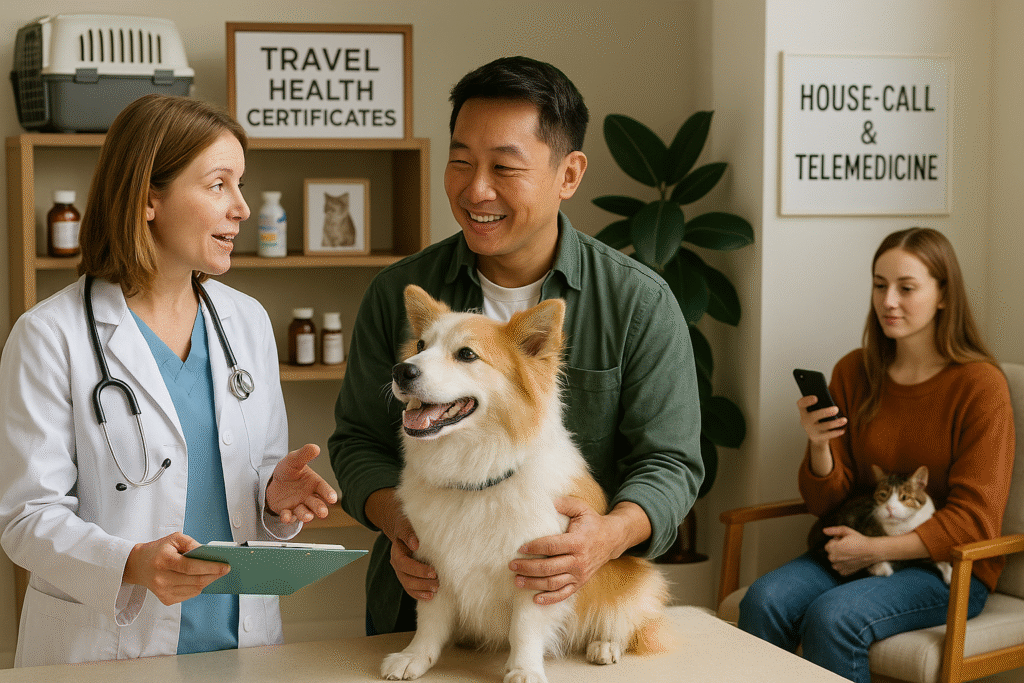
Vets in California who are USDA-accredited can issue health certificates for pets flying or moving to another state or country, making sure vaccines, microchip, parasite control, and paperwork match airline and destination rules. This is essential for pet travel, moving with dogs and cats, Hawaii pet entry, Mexico/Canada trips, and families who take their pets everywhere.
House-call and mobile veterinary visits
Some practices offer in-home vet care so shy pets, senior dogs, cats who hate carriers, or families with kids do not have to drive. A mobile vet can do wellness exams, vaccines, minor sick visits, quality-of-life talks, and lab work right in the living room. This reduces stress, supports Fear Free handling, and helps pets with mobility issues.
Telemedicine and teletriage follow-ups
Clinics may offer video or phone consults for rechecks, skin flare reviews, surgery wound checks, behavior discussions, nutrition adjustments, and to decide if a pet needs to be seen in person. This is useful for busy owners, rural areas, and anxious pets, and keeps the vet–pet–family connection strong between in-clinic visits.
In-clinic pharmacy and prescription diets
Most hospitals dispense common medications for allergies, ear infections, pain management, arthritis, heart disease, seizures, urinary issues, and anxiety. Many also stock veterinary prescription diets for kidney disease, diabetes, weight loss, sensitive stomach, urinary crystals, joint support, and recovery, so treatment starts the same day.
Chronic disease support and refills
Pets with conditions like hyperthyroidism, diabetes, Cushing’s, IBD, osteoarthritis, or heart disease often need regular refills, monitoring labs, and dose changes. Having a clinic pharmacy and a team that helps with reminders, auto-ship, and long-term care plans keeps these pets stable longer.
End-of-life and hospice-style care
Compassionate veterinarians guide families through senior decline, cancer, mobility loss, and chronic pain. Services can include comfort medications, home environment adjustments, quality-of-life assessments, and when the time comes, peaceful euthanasia either at the clinic or at home. Many also help with aftercare and cremation choices so the goodbye is respectful.
Grooming and hygiene services in some clinics
Select practices offer nail trims, anal gland expression, ear cleaning, medical baths, and grooming for pets with skin disease or behavioral challenges who cannot go to a regular groomer. This blends dermatology care with basic pet hygiene.
Boarding and daycare in mixed-service facilities
A smaller number of veterinary hospitals in California provide boarding or day-stay for pets that need medications, special diets, or closer monitoring than a standard pet hotel. This is helpful for older pets, post-operative pets, or anxious dogs whose owners feel safer leaving them where a vet team is nearby.
California-Specific Notes (common in clinics)
Rabies vaccination compliance & local licensing guidance
California clinics help owners stay current on required rabies vaccines for dogs at 4 months of age and explain how that ties to city or county dog licenses across places like Los Angeles County, Orange County, San Diego, the Bay Area, and inland communities. Teams often check records, remind about booster timelines (1-year or 3-year depending on product and ordinance), and walk people through what to do if a pet is late, adopted, or newly arrived in the state. This protects pets, keeps families within local animal control rules, and reduces quarantine or bite-report stress.
Wildfire and smoke preparedness counseling
Because California faces seasonal wildfires, many hospitals talk with families about how smoke and poor air quality affect brachycephalic dogs, senior pets, cats with asthma, and animals with heart or lung disease. Staff may recommend keeping carriers ready, having pet go-bags, copies of medical records and vaccines, extra medication, and labeled crates in case of evacuation. They also explain when to limit outdoor activity and how to monitor for coughing, squinting, or fast breathing during heavy smoke days.
Rattlesnake risk discussions
In foothill, desert, and rural areas, veterinarians frequently bring up snakebite risk for dogs that hike, camp, or live near open space. Conversations can include avoidance training with local trainers, keeping dogs leashed on trails, knowing the closest 24/7 emergency hospital with antivenin, and, when families request it, the rattlesnake vaccine as an added layer. The goal is to reduce shock and response time if a bite happens and to match prevention to the dog’s lifestyle.
Regional parasite risks
California has microclimates, so clinics tailor parasite prevention to where the pet actually lives or travels. Coastal and wooded zones may see more ticks carrying illnesses, some pockets of the state have heartworm risk for dogs and outdoor cats, and wetter or wildlife-heavy areas can have leptospirosis exposure. Teams pair year-round flea and tick protection with heartworm testing, safe swimming/drinking guidance, and vaccine discussions for dogs that hike, board, go to daycares, or visit dog parks, so pets stay protected across the state’s very different environments.