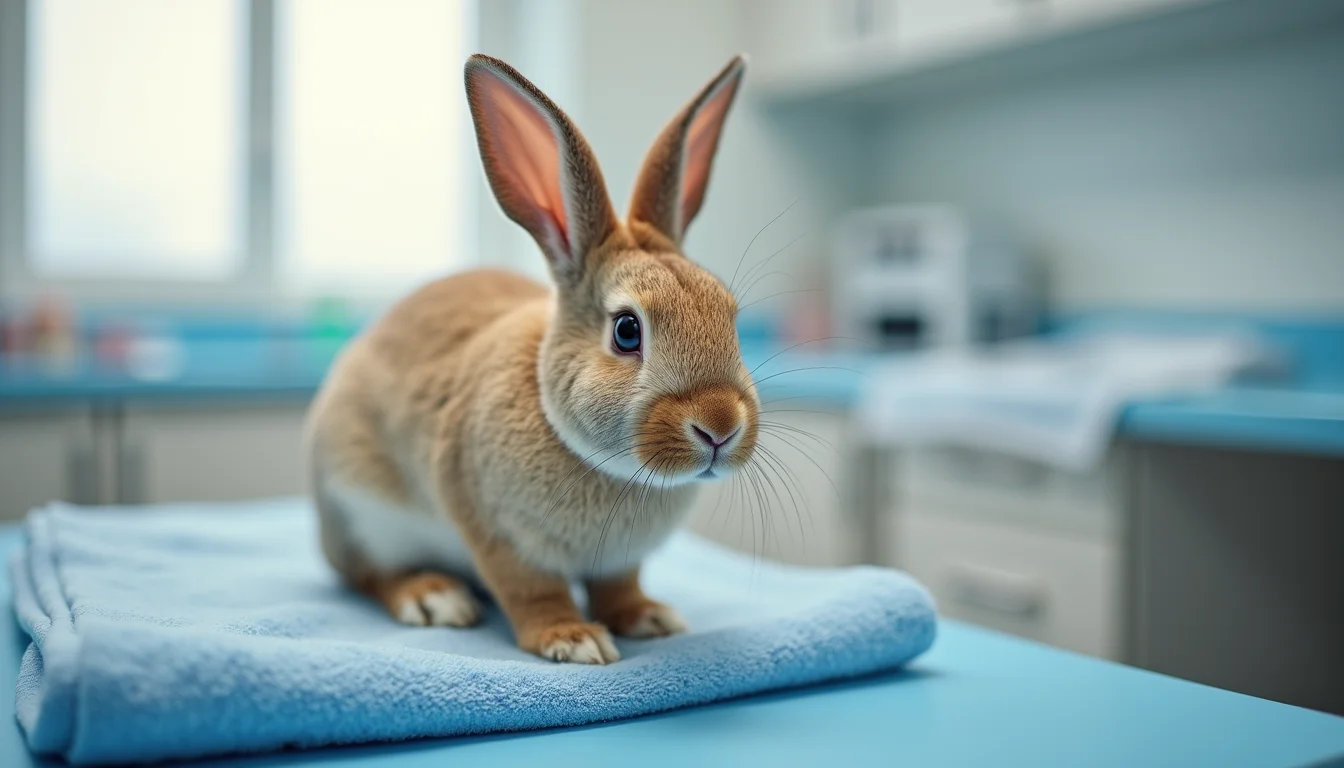
Rabbits are the third most common pet in many homes, but they are not small cats or dogs. Their teeth never stop growing, their digestive system can shut down within hours, and anesthesia carries more risk if the team is not experienced with rabbits. That is why it pays to find a rabbit-savvy veterinarian before you need one. This guide covers routine care, the RHDV2 vaccine that matters so much in California, and the warning signs that mean you should call a vet the same day.
Why rabbits need a rabbit-savvy vet
Rabbits are prey animals and hide pain and illness well. A vet who sees rabbits regularly knows how to examine the teeth properly, how to judge body condition under the fur and how to sedate or anesthetize rabbits more safely. Ask any clinic you are considering:
- How many rabbits do your veterinarians see each week or month?
- Do you offer the RHDV2 vaccine?
- Do you spay and neuter rabbits, and how do you manage anesthesia and pain?
- Who sees rabbits after hours, if anyone?
Our list of rabbit vets in California shows clinics that say on their own websites that they treat rabbits.
RHDV2: the vaccine California rabbit owners should know about
Rabbit hemorrhagic disease virus type 2 (RHDV2) is a highly contagious and often fatal virus. It was first detected in California in 2020 and has since been found in wild and domestic rabbits in many California counties. It does not infect people, but it spreads easily on shoes, hay, insects and anything that has touched infected rabbits, so indoor rabbits are not completely safe.
- A U.S. vaccine made by Medgene Labs is available through veterinarians.
- The first course is two doses given 21 days apart, and rabbits are considered protected 14 days after the second dose.
- It can be given to rabbits from 28 days of age, and rabbit welfare groups currently recommend a yearly booster.
Not every clinic stocks it, so call ahead.
Routine care through the year
Yearly wellness exam
A yearly checkup, or twice a year for older rabbits, lets your vet check teeth, weight, skin, ears and the belly, and catch dental disease early. Overgrown cheek teeth are one of the most common reasons rabbits stop eating.
Spay and neuter
Spaying female rabbits prevents uterine cancer, which is common and often fatal in unspayed rabbits over three years old. Neutering males reduces spraying and aggression and makes it possible for rabbits to live in pairs. Ask your vet about the best age for surgery.
Diet and teeth
Most of a rabbit's diet should be unlimited fresh grass hay, with leafy greens and a small amount of plain pellets. Hay keeps the gut moving and wears down the teeth. Sugary treats and muesli-style mixes contribute to dental and digestive problems.
Find a vet near you
Compare 4,201 California veterinary clinics by rating, hours and emergency care.
Popular:Los AngelesSan DiegoSan FranciscoSan JoseSacramentoBakersfieldFresnoSanta RosaAll cities →
Rabbit emergencies: when to call the vet today
- Not eating or no droppings for several hours. This can be gastrointestinal stasis, which is life-threatening and needs treatment the same day.
- A hunched posture, teeth grinding or sitting still and pressed into a corner, which are signs of pain.
- A tilted head, rolling or loss of balance.
- Breathing with an open mouth, or noisy breathing.
- Diarrhea, or a dirty bottom with flies around it, especially in warm weather.
- Bleeding, a sudden death in a group of rabbits, or a rabbit that is suddenly very weak. Tell the clinic if RHDV2 could be possible.
Rabbits do not tolerate heat well. On hot California days keep them indoors in the coolest room and never in direct sun.
Frequently asked questions
How often should a rabbit see the vet?
At least once a year for a checkup and vaccination, and as soon as possible whenever your rabbit stops eating or producing droppings.
Do indoor rabbits need the RHDV2 vaccine?
It is strongly recommended. The virus can be carried indoors on shoes, hay, greens and insects.
Can any vet treat a rabbit?
Many general practices see rabbits, but experience varies a lot. Choose a clinic whose vets see rabbits regularly, especially for dental work and surgery. For guinea pigs, reptiles and birds, see our guide to exotic pet vets.
More pet health guides
 How to choose a veterinarian in California: a practical guide for pet ownersWhy yearly wellness exams matter and how to choose the right veterinarian in California: what to check, questions to ask and when…
 Foxtails in dogs: symptoms, removal and prevention in CaliforniaFoxtail season in California: how foxtails get into a dog's paws, ears, nose and eyes, the symptoms to watch for, why a…
 How much does a vet visit cost in California? Routine, emergency and moreWhat vet visits cost in California: typical exam fees, vaccines, emergency visits and surgery, why prices vary, and practical ways to lower…