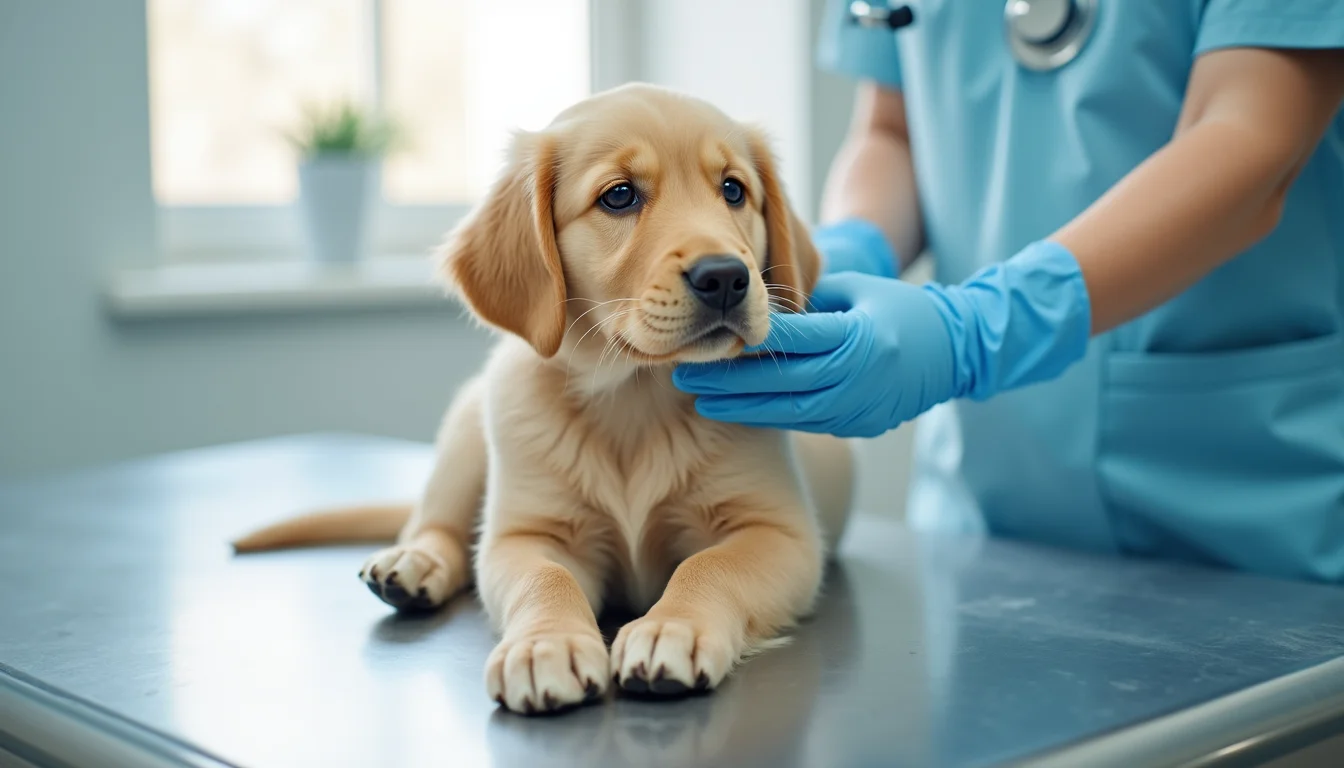
Vaccines are the cheapest protection you can give a dog, and in California one of them, rabies, is also the law. This guide sets out a typical schedule from the first puppy visit to senior boosters, explains which vaccines every dog needs and which depend on lifestyle, and covers what California requires. Your veterinarian will adjust the plan to your dog's age, health, history and risk, so use this as a map for the conversation, not a substitute for it.
Core vs. lifestyle vaccines
The American Animal Hospital Association (AAHA) groups canine vaccines into two sets.
- Core vaccines are recommended for every dog: canine distemper, adenovirus (hepatitis) and parvovirus, usually given together as a combination shot often written as DAPP or DHPP, plus rabies. In a 2024 update to its guidelines, AAHA added leptospirosis as a recommended core vaccine for all dogs, because the bacteria are spread by wildlife and can infect people.
- Lifestyle (non-core) vaccines depend on where your dog goes and what it does: Bordetella and parainfluenza for kennel cough, canine influenza, Lyme disease and, in some parts of California, the rattlesnake vaccine.
Typical puppy vaccination schedule
Puppies get a series rather than a single shot because antibodies from their mother can block a vaccine for an unpredictable number of weeks. Repeating the combination vaccine every two to four weeks until about 16 weeks makes sure one dose "takes".
| Age | Core | Often added |
|---|---|---|
| 6–8 weeks | DAPP #1 | Bordetella (intranasal or oral) |
| 10–12 weeks | DAPP #2, leptospirosis #1 | Canine influenza #1 if needed |
| 14–16 weeks | DAPP #3, leptospirosis #2, rabies | Canine influenza #2 if needed |
| 12–16 months | DAPP, leptospirosis and rabies boosters | Lifestyle boosters |
Until the series is finished, keep your puppy away from places where unknown dogs gather, such as dog parks and pet store floors. Parvovirus survives in the environment for months and is still one of the most common reasons puppies end up in emergency hospitals.
Adult and senior dogs
After the one-year boosters, many core vaccines are licensed for three-year intervals, so most adult dogs get DAPP and rabies every one to three years depending on the product and local law. Leptospirosis, Bordetella and canine influenza protection is shorter and is usually boosted every year. Senior dogs keep the same schedule unless your veterinarian advises otherwise because of a health condition. A yearly wellness exam is the right moment to review which vaccines your dog still needs.
What California law requires
California's rabies law (Health and Safety Code section 121690) requires every dog to be vaccinated against rabies once it reaches four months of age and to be licensed by your city or county. State regulations give owners 30 days after the dog turns four months to get both done, and the vaccine can be given from three months of age. Only a California-licensed veterinarian, or a technician under direct veterinary supervision, may give the rabies vaccine.
- Your local animal services agency issues the dog license and needs proof of a current rabies vaccine.
- Licenses can be issued for up to three years for dogs 12 months or older, but never beyond the date the current rabies vaccine expires.
- Dogs with a medical reason not to be vaccinated can request an exemption from the local health officer. An exempt dog is still treated as unvaccinated if it bites someone or is exposed to rabies.
- Dogs older than four months entering California need a current rabies certificate.
Rabies is present in California wildlife, especially bats and skunks, so even an indoor dog benefits from staying current.
Find a vet near you
Compare 4,201 California veterinary clinics by rating, hours and emergency care.
Popular:Los AngelesSan DiegoSan FranciscoSan JoseSacramentoBakersfieldFresnoSanta RosaAll cities →
Vaccines that depend on where you live in California
Leptospirosis
Leptospira bacteria spread through the urine of wildlife such as raccoons, skunks and rats, and survive in puddles and damp soil. Urban dogs in California are infected too, not only farm dogs.
Kennel cough and canine influenza
Boarding kennels, daycares, groomers and training classes often require Bordetella, and some require canine influenza vaccination. Ask well ahead, because some of these vaccines need two doses.
Rattlesnake vaccine
A rattlesnake vaccine is available, but there are no controlled studies proving how well it works in dogs, and a vaccinated dog that is bitten still needs emergency care. See our guide to rattlesnake bites in dogs before you decide.
Side effects and when to call the vet
Mild soreness, a small lump at the injection site, tiredness or a low appetite for a day are common. Call a veterinarian straight away if your dog has facial swelling, hives, repeated vomiting, collapse or difficulty breathing after a vaccine. These reactions are rare, but they usually happen within minutes to hours, which is why many clinics ask you to wait a little after the shot. If your dog has reacted before, tell the clinic so they can plan ahead.
Keeping records
Keep your dog's vaccine certificates in one place, with a photo on your phone. You will need them for licensing, boarding, groomers, travel and any time you see a new or emergency veterinarian.
Frequently asked questions
Is the rabies vaccine required for dogs in California?
Yes. Every dog four months or older must be vaccinated against rabies and licensed by the local city or county, unless a local health officer grants a medical exemption.
Can my puppy go outside before finishing its shots?
Your own yard and carrying your puppy are generally fine. Avoid dog parks, pet store floors and places with unknown dogs until about a week or two after the final puppy shot, and ask your vet about safe puppy classes.
Does my dog need vaccines every year?
Not all of them. Core vaccines such as DAPP and rabies are often given every three years after the first adult booster, while leptospirosis, Bordetella and canine influenza are usually yearly.
What if my dog is overdue?
Book a visit. Depending on how long it has been, your vet may give a single booster or restart a short series. For rabies, being overdue also affects your dog's license and what happens after a bite or wildlife exposure.
More pet health guides
 How to choose a veterinarian in California: a practical guide for pet ownersWhy yearly wellness exams matter and how to choose the right veterinarian in California: what to check, questions to ask and when…
 Exotic pet vets: care for reptiles, small mammals and other exoticsHow to find an exotic pet vet in California for reptiles, guinea pigs, rats and other small pets, what a checkup includes…
 Rabbit vet care: checkups, the RHDV2 vaccine and finding a rabbit-savvy vetWhat rabbit owners in California need to know: yearly checkups, the RHDV2 vaccine, spay and neuter, emergencies like GI stasis, and how…